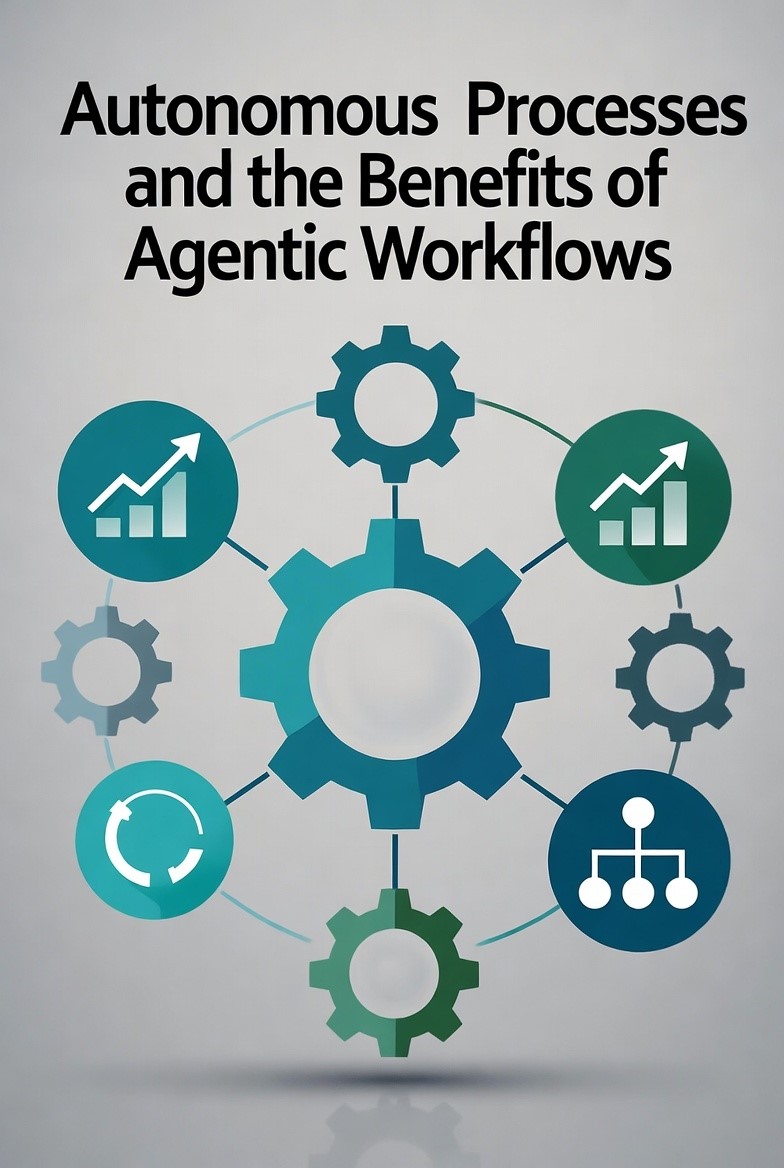
Agentic AI in Financial Services: Driving Autonomy and Efficiency in 2025
Agentic AI in Financial Services: Driving Autonomy and Efficiency in 2025 Home / Blog In the…

Artificial intelligence is no longer a futuristic concept—it’s reshaping how businesses operate right now. As senior leaders in financial services or hospitality, you’re likely facing pressure to adopt the latest industry trends in AI without overhauling your entire infrastructure. From agentic AI to multimodal systems, 2025 brings advancements that promise smarter, more autonomous operations.

These trends aren’t just hype. They’re backed by data showing AI’s integration into everyday business, with nearly 90% of notable models coming from industry players. Let’s explore what’s driving change and how it applies to your world.
Agentic AI marks a pivotal shift, where AI agents move from reactive tools to proactive entities that plan and execute tasks independently. This trend dominates 2025 discussions, evolving chatbots into multi-agent systems that handle complex workflows.
For leaders, this means less micromanagement. AI agents can anticipate needs, like optimizing supply chains or personalizing services.
At its core, agentic AI combines reasoning, tool use, and autonomy. It uses loops of perception and action to achieve goals, often with 10x more efficiency in token usage for smarter outputs.
This autonomy reduces latency in decisions. In volatile markets, it provides a competitive edge by acting on real-time data.
Consider AI agents in fraud detection—they don’t just flag issues but investigate and resolve them. Businesses report 30-50% productivity gains from these systems.
[LINK: Explore KrishuAI’s Agentic Solutions]
Multimodal AI integrates text, images, audio, and more, unlocking richer contextual understanding. This emerging AI technology is key in 2025, as models like GPT-4o output beyond text, including visuals and speech.
It simplifies interactions. No more siloed data—AI processes everything together for holistic insights.
By fusing data types, multimodal AI improves accuracy in tasks like sentiment analysis from customer videos. Latency drops, making conversations more natural.
For enterprises, this means better human-machine collaboration, a top trend per McKinsey.
In hospitality, multimodal systems analyze guest feedback across channels to refine experiences. Finance uses it for market trend predictions from diverse sources.
As AI advancements accelerate, ethical considerations take center stage. Bias in models and privacy risks could undermine trust if not addressed.
Leaders must prioritize governance. Frameworks like the EU AI Act influence global standards in 2025.
Federated learning preserves data privacy while training models. Audits help mitigate biases, ensuring fair outcomes.
In regulated sectors, this builds compliance and stakeholder confidence.
New rules emphasize explainability. Businesses adopting ethical AI early avoid penalties and gain reputational advantages.
Sustainability emerges as a core AI trend, with systems optimizing energy use in data centers. Edge computing cuts latency by 40%, reducing environmental impact.
This aligns with business goals. AI drives green initiatives without sacrificing performance.
Predictive maintenance via AI + IoT minimizes waste. Companies see 15-20% energy savings in operations.
For hospitality, this means eco-friendly property management.
Efficiency metrics soar—AI streamlines workflows, boosting ROI over 100% in a year. It’s about doing more with less.
AI in business sectors like finance and hospitality is tailoring innovations to specific needs. From automated investing to personalized services, these applications deliver measurable results.
Leaders should pilot these for quick wins. Data shows widespread adoption, with 80% of firms investing.
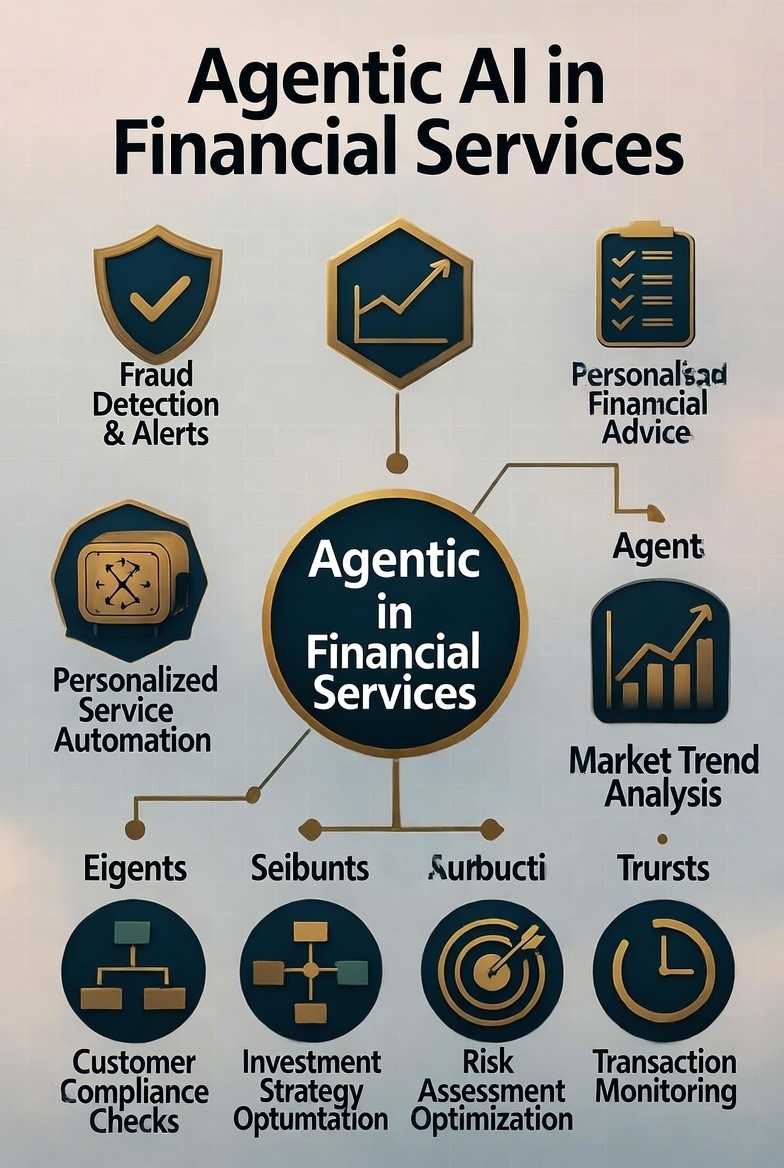
In finance, agentic AI handles risk assessments and trades autonomously. Multimodal tools analyze market videos and reports for better forecasts.
This reduces errors and speeds compliance, saving millions annually.
[LINK: KrishuAI Financial AI Strategies]
Hospitality leverages AI agents for dynamic pricing and guest personalization. Ethical AI ensures inclusive experiences, boosting satisfaction by 25%.
It’s transforming routine tasks into strategic advantages.
Looking ahead, future AI innovations include reasoning models and potential AGI mentions. Labs like OpenAI and Anthropic release advanced models quarterly.
This pace demands agility. Businesses must prepare for hybrid human-AI teams.
Reasoning AI trades speed for intelligence, solving complex problems like math benchmarks at 80%+ accuracy. AGI could redefine industries by 2026.
Stay informed through evals and custom suites.
Start with assessments: Identify high-impact areas, then integrate via platforms like AWS. Training ensures smooth adoption.
In summary, industry trends in AI—from agentic AI and AI agents to multimodal and ethical developments—are redefining efficiency and innovation in 2025. For senior leaders in financial services and hospitality, embracing these shifts means future-proofing your operations. Contact KrishuAI today to craft a personalized AI roadmap that turns trends into tangible growth.
Agentic AI in Financial Services: Driving Autonomy and Efficiency in 2025 Home / Blog In the…

Agentic AI in Hospitality: Elevating Guest Experiences and Operational Efficiency Home / Blog Running a hotel…
Industry Trends in AI: Key Shifts Shaping 2025 and Beyond Home / Blog Artificial intelligence is…